Innovations and techniques in modern agriculture
Discover how modern agricultural equipment, effective cultivation techniques and responsible livestock practices work together to improve farm productivity, protect natural resources and support consistent agricultural yields.
Heavy agricultural machinery for efficient farming
Agricultural machinery
Heavy agricultural machinery helps farms complete demanding field operations more efficiently. From soil preparation and mechanical sowing to fertilizer application and crop harvesting, specialized equipment reduces repetitive manual work and improves operational consistency. Choosing machinery suited to field conditions, farm size and production requirements also helps farmers manage working time, fuel consumption and equipment costs.
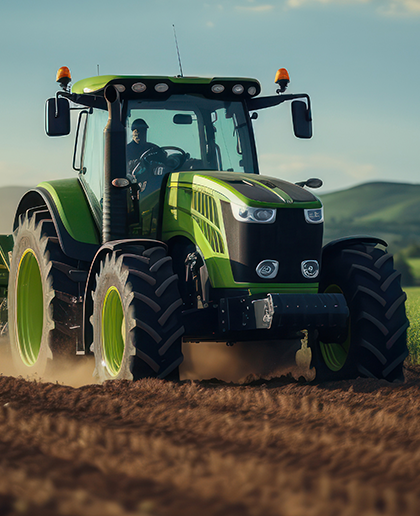
Farm tractor
A farm tractor provides the traction and power needed to operate agricultural implements for tillage, planting, spraying and field transport.
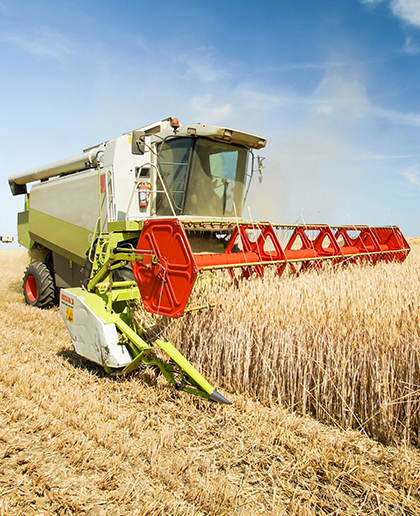
Combine harvester
A combine harvester performs cereal harvesting by cutting crops, threshing grain and separating it from straw in a continuous operation.
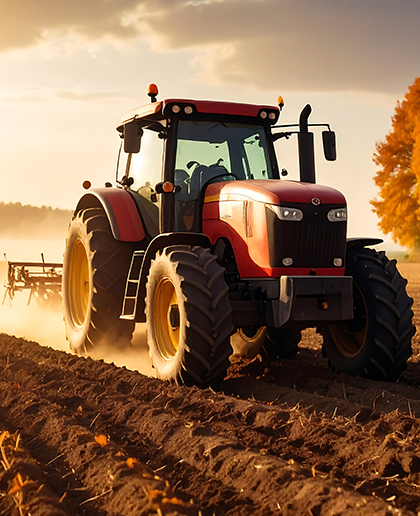
Heavy plow
A heavy plow performs deep soil tillage, turning and loosening the soil where field conditions justify this approach before crop establishment.
Crop rotation: preserving the soil and optimizing yields
Crop rotation involves alternating crop families on the same field over successive growing seasons according to a planned sequence. Unlike continuous monocropping, a diversified crop rotation helps manage soil nutrient depletion and interrupt crop pest and disease cycles. Different root systems and crop residues contribute to soil structure and organic matter management, while carefully selected rotations can improve water retention and nutrient availability. Including leguminous cover crops where appropriate also supports soil fertility management. These practices contribute to more resilient cropping systems and stable long-term yields when adapted to local conditions.
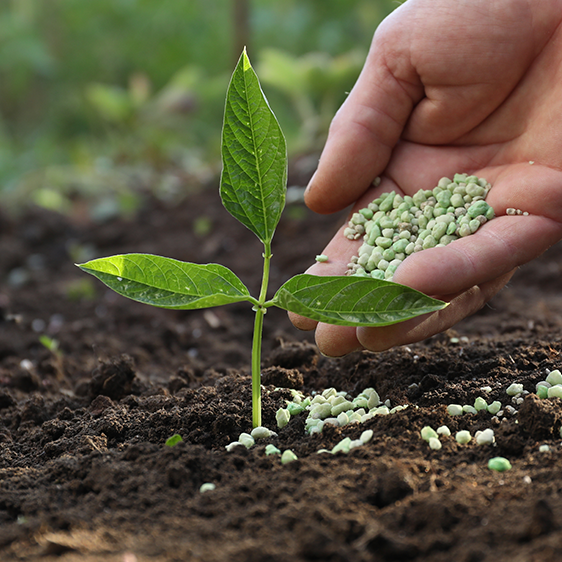
Sustainable fertilization techniques to preserve the soil
Sustainable fertilization matches nutrient applications to crop requirements, soil conditions and growth stages. Regular soil nutrient testing helps determine appropriate fertilizer application rates and identify potential deficiencies before they affect crop development. Combining organic soil amendments with carefully managed mineral fertilizers can improve nutrient use efficiency while limiting unnecessary inputs. Appropriate application timing and fertilizer placement techniques also help reduce nutrient runoff and leaching, protecting surrounding water resources. A balanced approach supports crop nutrition, harvest quality and agricultural input cost management without treating maximum fertilizer use as a guarantee of higher yields.
Key practices for profitable and responsible livestock farming
Profitable and responsible livestock farming depends on consistent animal welfare standards, balanced feeding and effective herd management. Providing species-specific livestock nutrition adapted to each growth stage supports animal health and productive performance. Regular livestock health monitoring, preventive veterinary care and farm biosecurity measures help reduce disease risks and avoidable production losses. Thoughtful livestock breeding management and genetic selection strategies can improve herd performance over successive generations while respecting animal health and welfare. Integrating crops and livestock through responsible manure management also enables farms to recycle nutrients, support soil fertility and manage production costs more efficiently.
Specialized agricultural tools for everyday fieldwork
Targeted agricultural implements
Specialized agricultural implements make routine field maintenance more precise and manageable. Alongside tractors and larger machines, crop maintenance tools help farmers handle mechanical weed control, seedbed preparation and vegetation trimming. Selecting equipment according to soil conditions, working width and crop spacing can reduce unnecessary passes and manual effort. Regular tool maintenance and correct equipment adjustment are equally important for consistent results and safe operation.
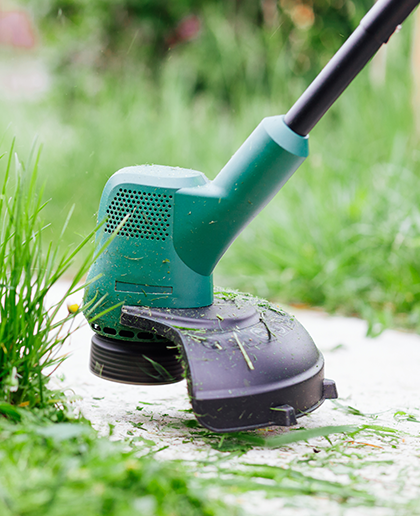
Weeder
A mechanical weeder removes unwanted vegetation between crop rows, helping control weed competition while limiting reliance on herbicides where conditions permit.
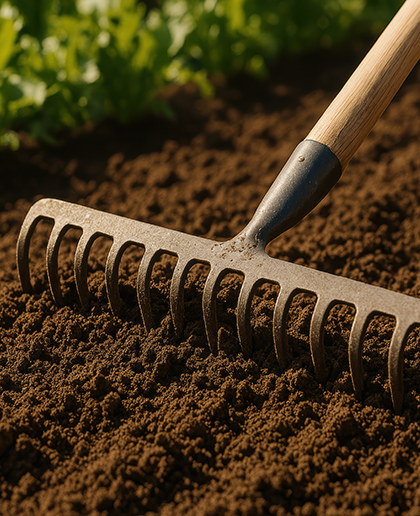
Tine rake
A tine rake breaks up surface clods, levels cultivated soil and helps create suitable seedbed conditions before planting.
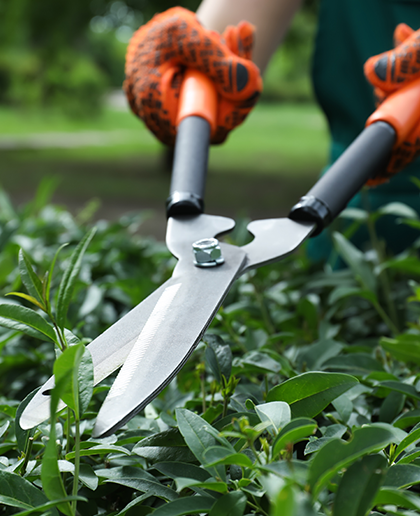
Hedge shears
Hedge shears allow controlled trimming of hedges and small shrubs around fields, farm boundaries and access areas.